


Jakarta, Ministry of Education, Culture, Research, and Technology --- Daycare services remain a viable option for working parents to care for their children while allowing them to focus on their work. In response, Triyantoro, Head of the General Affairs and Procurement Bureau of the Ministry of Education, Culture, Research, and Technology (Kemendikbudristek), stated that daycare services in educational institutions (satdik) nationwide need to be optimized to improve the quality of institutional services and ensure the protection of children in public spaces. Therefore, collaboration between relevant ministries is necessary to develop guidelines for quality daycare services in early childhood education (PAUD) units.
Referring to Article 28 of the National Education System Law Number 20 of 2003, Child Care Centers (TPA) or daycare services are a form of non-formal education at the Early Childhood Education (PAUD) level. The Ministry of Education, Culture, Research, and Technology itself, through Ministerial Regulation of the Ministry of Education and Culture Number 18 of 2022 concerning Guidelines for Procurement of Goods and Services by Educational Units, provides guidelines for educational units in carrying out procurement of goods/services using funds managed by the educational unit to meet the needs of its facilities and infrastructure, including for daycare services.
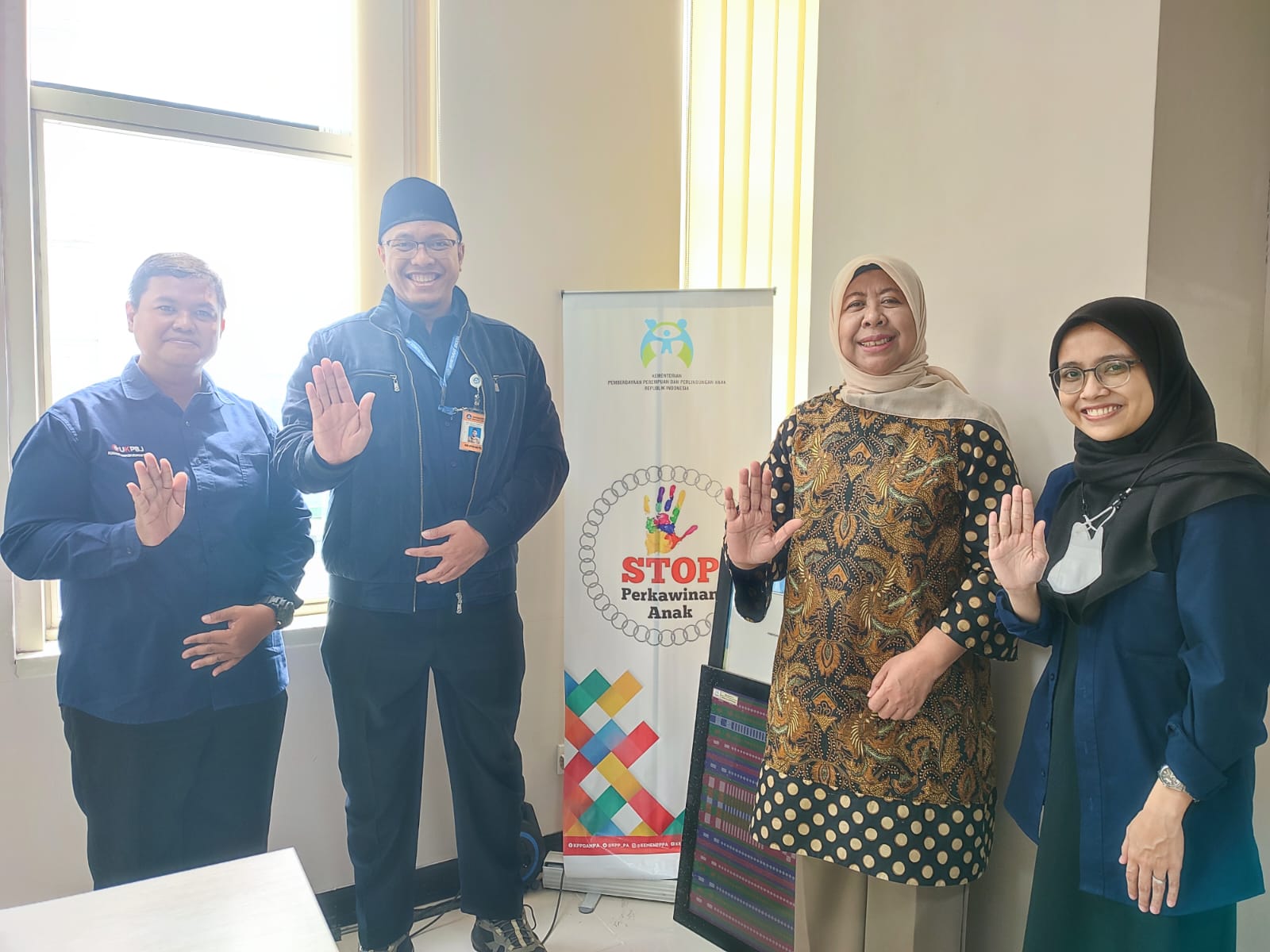
In an effort to improve the quality of daycare , the ability of implementers at each educational institution to carry out procurement of goods and services must be encouraged to ensure their implementation complies with regulations. Therefore, to gain a comprehensive perspective on refining the guidelines for daycare implementation, the General Affairs and Procurement Bureau initiated a visit to the Ministry of Women's Empowerment and Child Protection (KemenPPPA) on Thursday (May 2). The visit aimed to discuss optimizing daycare services at the early childhood education level throughout Indonesia.
The audience, led by Rohika Kurniadi Sari, an Expert Staff at the Ministry of Women's Empowerment and Child Protection (KemenPPPA), discussed synergy and collaboration between ministries in ensuring the availability and quality of childcare services at the Early Childhood Education (PAUD) level. It is hoped that this synergy with the Ministry of Women's Empowerment and Child Protection (KemenPPA), which already has the Child-Friendly Daycare /Ceria Foster Care (TARA) Standard Guidelines, can serve as a reference for the Ministry of Education, Culture, Research, and Technology in providing quality and reliable daycare services , in terms of services, facilities, and the availability of infrastructure. Quality daycare services can increase trust among daycare service users.
Triyantoro said, "Synergy is important in the child-friendly daycare /child-friendly foster care guidelines initiated by the Ministry of Women's Empowerment and Child Protection and the PBJ guidelines by educational units initiated by the Ministry of Education, Culture, Research, and Technology."
Furthermore, he stated that the Ministry of Education, Culture, Research, and Technology continues to refine regulations related to the procurement of goods and services by educational units, particularly when fulfilling infrastructure, both in terms of personnel and operational implementation.
On the same occasion, the Ministry of Women's Empowerment and Child Protection Expert, Rohika Kurniadi Sari, stated that quality daycare services enable parents to remain productive while also providing them with the confidence to entrust their children to safe and quality supervision and care.
Rohika Kurniadi Sari also explained that daycare is a welfare facility used to meet the needs of care, education, and guidance for children's growth and development that applies the principles of fulfilling children's rights and protection, including children with disabilities and children with special needs aged 0-6 years.
Furthermore, the provision of childcare facilities is mandated by the Minister of Women's Empowerment and Child Protection Regulation No. 5 of 2015 concerning the Provision of Gender-Responsive and Child-Caring Work Facilities in the Workplace. Quality childcare facilities are a supporting factor in optimizing the work productivity of working women with children, who can meet their childcare needs while they are at work.
Responding to the visit by the General Affairs and Procurement Bureau, the Ministry of Women's Empowerment and Child Protection (Kemenpappa) welcomed the Ministry of Education, Culture, Research, and Technology's initiative to develop a capacity-building module for Early Childhood Education (PAUD) teachers/ daycare caregivers using a child rights-based care approach, implemented as part of the procurement of goods and services to optimize daycare services. The regulation underscores the importance of protecting and supporting children, who are valuable assets of a nation. "Cross-sectoral collaboration like this is key to achieving the shared goal of improving the quality of life of Indonesian children," said Rohika.
Before concluding the meeting, the Ministry of Education, Culture, Research, and Technology and the Ministry of Women's Empowerment and Child Protection agreed to continue communicating and collaborating in the development and implementation of daycare- related policies. This inter-ministerial synergy is expected to improve procurement procedures for goods and services by educational institutions to meet the needs of daycare facilities and infrastructure, improving the quality of child protection and care, while also supporting the well-being of employees' families. (General Affairs and Procurement Bureau Team / Editor: Denty)