

Tangerang, November 15, 2025 — Amidst the spirit of educational transformation that has permeated Samarinda, East Kalimantan Province, the Integrated School has emerged as a pioneer in digital learning in the region. The enthusiasm of students interacting with Interactive Flat Panels (IFPs) has created a new atmosphere in the regional education sector.
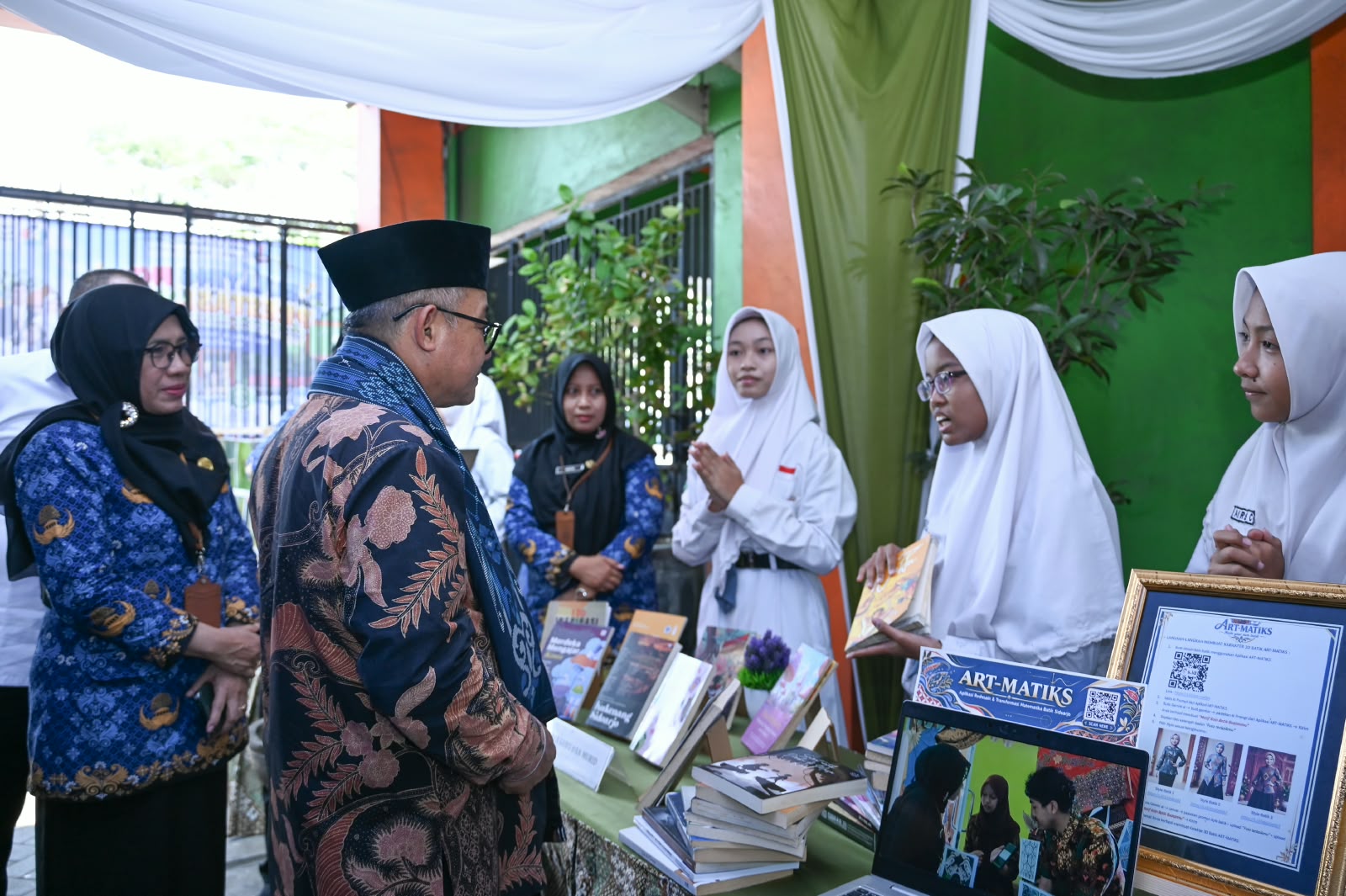
When the Minister of Primary and Secondary Education, Abdul Mu'ti, visited the school consisting of 3 (three) Levels of Educational Units, namely SDN 028 Sungai Kunjang, SMPN 16 Samarinda, and SMA Prestasi Samarinda in mid-September 2025, the warm welcome from students and teachers was not just a formality, but a real expression of their great hopes for the school revitalization program which is bringing significant changes in the way of teaching and learning.
"Minister Mu'ti witnessed firsthand the learning process using the Digital Interactive Board/Interactive Flat Panel, which made the classroom atmosphere more lively," said the Acting Head of the East Kalimantan Province Education and Culture Office, Armin, when met while attending the Regional Head Coordination Meeting (Rakor): Revitalization of Education Units and Digitalization of Learning in Tangerang, (13/11).
Armin added that this digital learning program is very positive, especially for remote areas that require digital infrastructure and dormitories for students in the 3T (Underdeveloped, Frontier, and Outermost) regions. "Although our Gross Enrollment Rate (APK) has reached 98.75%, the challenge of student dropout remains due to long distances. We hope that assistance from the central government can reach more schools and provide adequate facilities," he said.
A similar story emerges from the eastern tip of Indonesia. Maluku Province, comprised of hundreds of islands with challenging geography, is now feeling the tangible impact of the revitalization program. The Acting Head of the Maluku Provincial Education and Culture Office, Sarlota Singerin, who represented the Maluku Provincial Government at the Coordination Meeting, explained how this transformation has changed the face of education in her region.
"Digitalization is a key pillar of our education system. With the central government's revitalization program, we have served around 100 senior high schools (SMA) and vocational high schools (SMK). This puts schools in our border areas on par with those in big cities.
"Teachers can teach with joy because they have adequate facilities, and learning information is distributed evenly throughout the archipelago. We hope this program will continue so that more than 400 schools in Maluku can receive optimal service for the benefit of Indonesia, Maluku, and future generations," Sarlota emphasized.
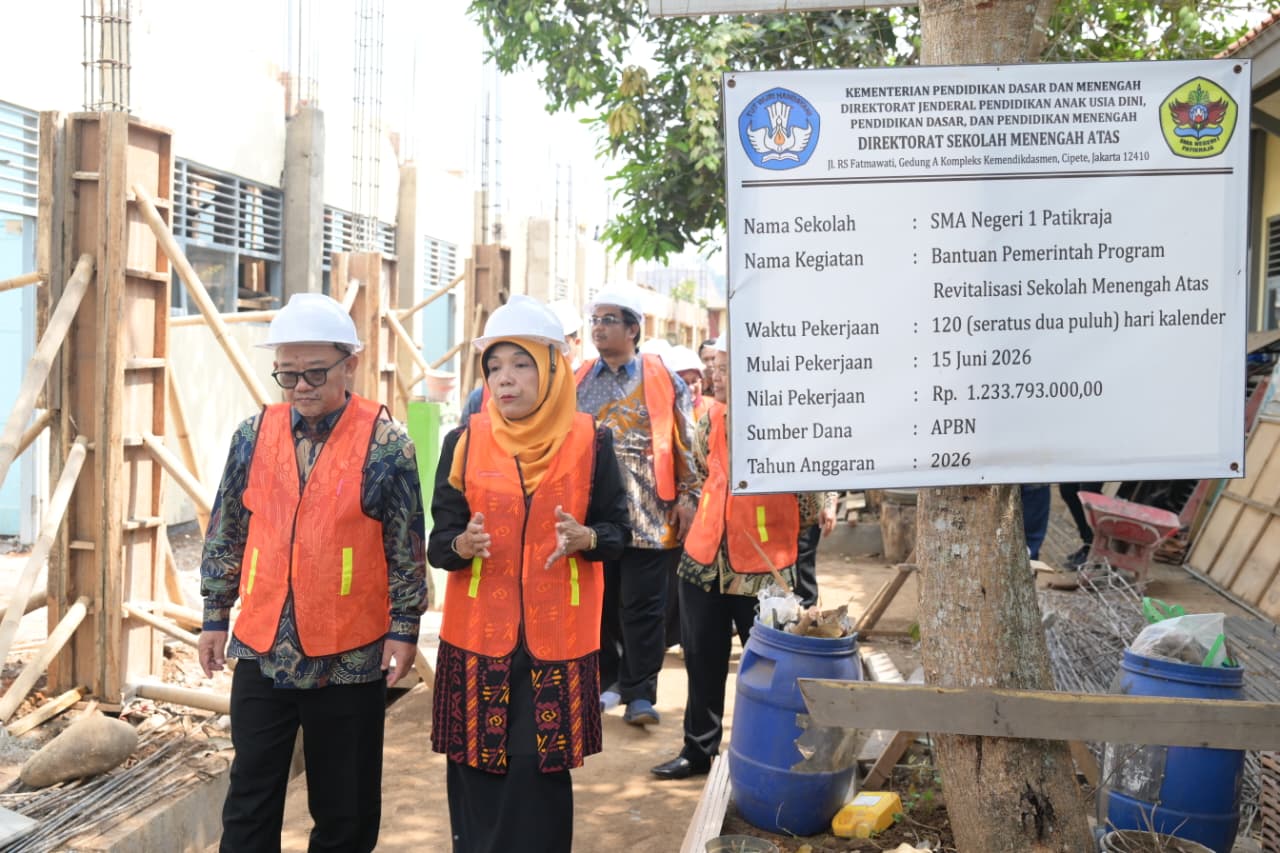
Furthermore, while delivering a speech at the Coordination Meeting, the Minister of Primary and Secondary Education (Mendikdasmen), Abdul Mu'ti, emphasized that the target for revitalization and digitalization was set for completion on December 15, 2025, including implementation and reporting.
"However, we understand that some schools or regions have special circumstances—perhaps difficult geographic access or extreme weather conditions. In such cases, dispensations will be granted after a rigorous monitoring and evaluation process. The important thing is that this assistance is targeted, and schools most in need are prioritized," Minister Mu'ti continued.
Support comes not only from the executive branch but also from the legislative branch. Hetifah Sjaifudian, Chair of Commission X of the Indonesian House of Representatives, expressed full readiness to support this program through legislative, budgeting, and oversight functions.
"Commission X is ready to provide full support to ensure the smooth revitalization and digitalization of education. We will ensure budget allocation is on target, conduct oversight to ensure the transparent use of state budget funds, and oversee the revision of the National Education System Law to make it more responsive to regional needs.
"This is not only the government's responsibility, but our shared responsibility to build equitable, quality, and just education," Hetifah concluded.*** (Author: Stephanie/Editor: Ririn, Seno H./Photographer: Nurlaili)