

Garut, August 8, 2026 – Social media, long associated with entertainment among students, is being pushed to become a new space for learning and creativity. The Ministry of Primary and Secondary Education (Kemendikdasmen), in collaboration with Commission X of the Indonesian House of Representatives (DPR RI), is developing the Young Public Relations Movement to equip students with digital literacy, public communication, and the ability to produce positive work.
In addition to encouraging the use of digital spaces for learning and creativity, the Young Public Relations Movement is also aimed at raising awareness about the safe and responsible use of social media as part of the digital child protection ecosystem. This aligns with the implementation of Government Regulation No. 17 of 2025 concerning the Governance of Electronic Systems for Child Protection (PP TUNAS), which was reinforced by Regulation of the Minister of Communication and Digital No. 9 of 2026.
Through digital literacy education, students are encouraged to understand the risks in the digital space, maintain the privacy and security of their personal data, be wise in sharing information, and develop healthy and responsible social media habits.
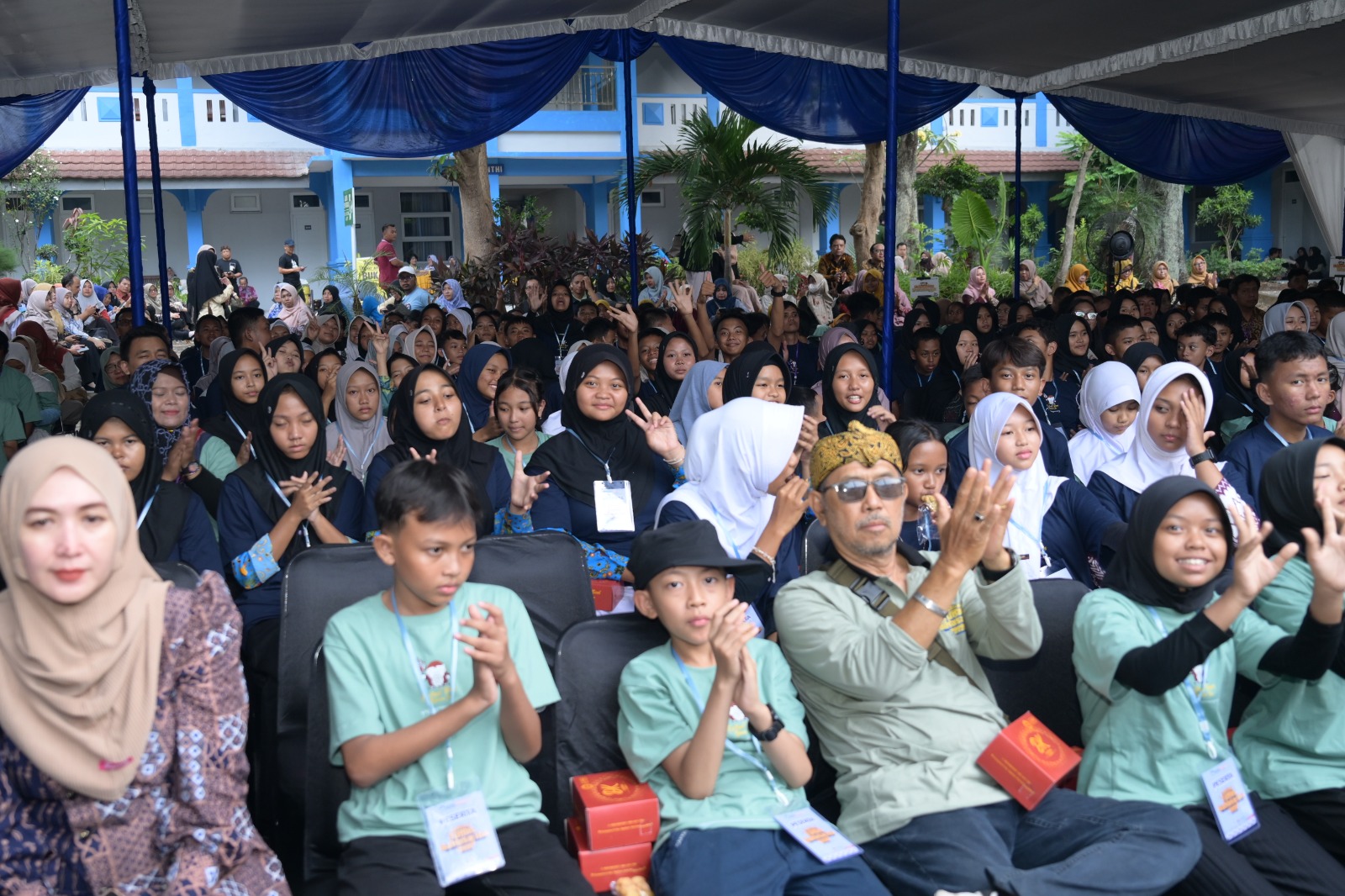
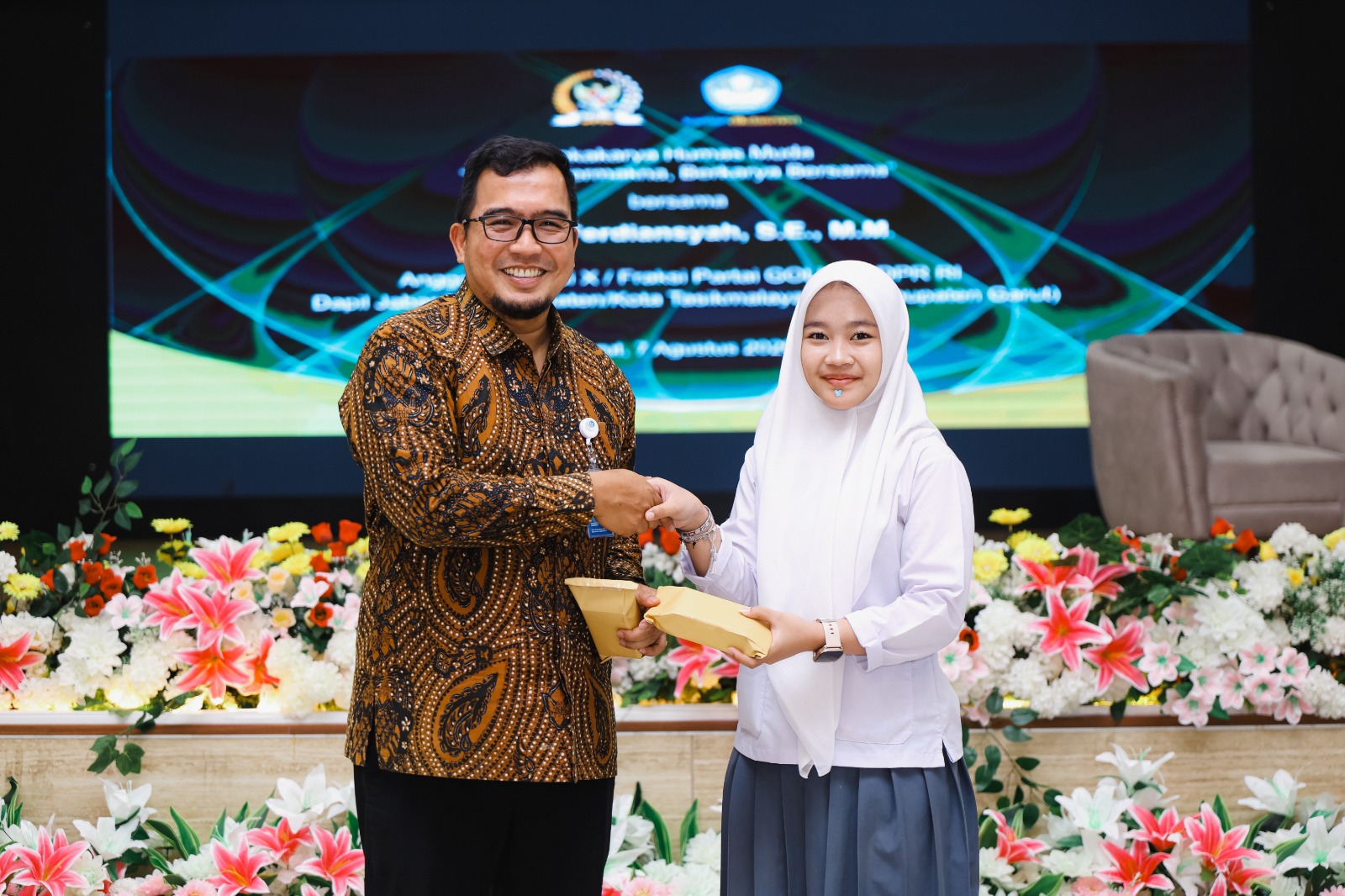
As a form of support, the Bureau of Communication and Public Relations (BKHM) of the Ministry of Primary and Secondary Education, in collaboration with Commission X of the Indonesian House of Representatives, held a workshop on "Young Public Relations: Meaningful Learning, Working Together" at the Indonesian Institute of Education (IPI) in Garut, West Java, on Friday (7/8). The event, attended by 100 participants from junior high, senior high, and vocational high schools, as well as teachers, is expected to encourage students to understand that every piece of information, comment, and work published in the digital space has an impact that must be accounted for.

Lucky Rahayu, Vice Rector for Student Affairs at IPI Garut, expressed his appreciation for the trust placed in IPI Garut as host of the event. He emphasized the importance of strengthening the character and moral responsibility of the younger generation in using social media.
"In today's digital age, anyone can easily convey information. However, not everyone is able to use it responsibly and inspire others. The difference lies in character, knowledge, and responsibility. Therefore, today's education is not only about producing an intelligent generation, but also one capable of critical thinking, effective communication, and using technology to benefit the public," said Lucky.

Ferdiansyah, a member of Commission X of the Indonesian House of Representatives (DPR RI), encouraged students to use the Young Public Relations program as a space for self-actualization and positive impact on the environment. "Working is carrying out activities to achieve goals, but creating is about self-actualization, self-expression, and creating long-term value and impact. All children must know how to choose and sort out what is appropriate for publication and what is not. Indonesian is prioritized, while foreign languages are mastered," Ferdiansyah emphasized.

Head of the Communications and Public Relations Bureau of the Ministry of Primary and Secondary Education, Yudhistira Nugraha, said the Young Public Relations Movement provides a space for the younger generation to play a role in building a positive narrative about education.
"Don't just attend school, but find meaning in what we learn. Make school a space for creativity and interaction. Don't just be a consumer of information, be a creator. A young public relations professional must be willing to try, unafraid of failure, and continually collaborate to create a real impact on quality education for all," said Yudhistira.
The Head of the Center for Curriculum and Learning at the Ministry of Education and Culture, Laksmi Dewi, explained that Deep Learning is an approach that honors students and fosters a conscious, meaningful, and enjoyable learning process.
"Deep learning is a nurturing approach. It's about how teachers and students respect each other, tolerate each other, and interact positively. In this process, students are not merely objects, but partners with teachers in the learning process. We want to create a learning environment that is conscious, meaningful, and joyful," said Laksmi.
Furthermore, Laksmi hopes that the synergy between teachers and students can create a learning process that helps students develop holistically, both in terms of thinking, feeling, feeling, and sports, so that they are ready to become a strong and characterful next generation.*** (Author: Refrina / Editor: Uly / Documentation: Ministry of Elementary and Secondary Education Team)

Bureau of Communication and Public Relations
Secretariat General
Ministry of Primary and Secondary Education
Website: kemendikdasmen.go.id
X: x.com/Kemdikdasmen
Instagram: instagram.com/kemendikdasmen
Facebook: facebook.com/kemendikdasmen
YouTube: Ministry of Education and Culture
Questions and Complaints: ult.kemendikdasmen.go.id
Press Release from the Ministry of Primary and Secondary Education: kemendikdasmen.go.id/pencarian/siaran-pers
#QualityEducationforAll
#MinistryofEducationAndEducationFriendly