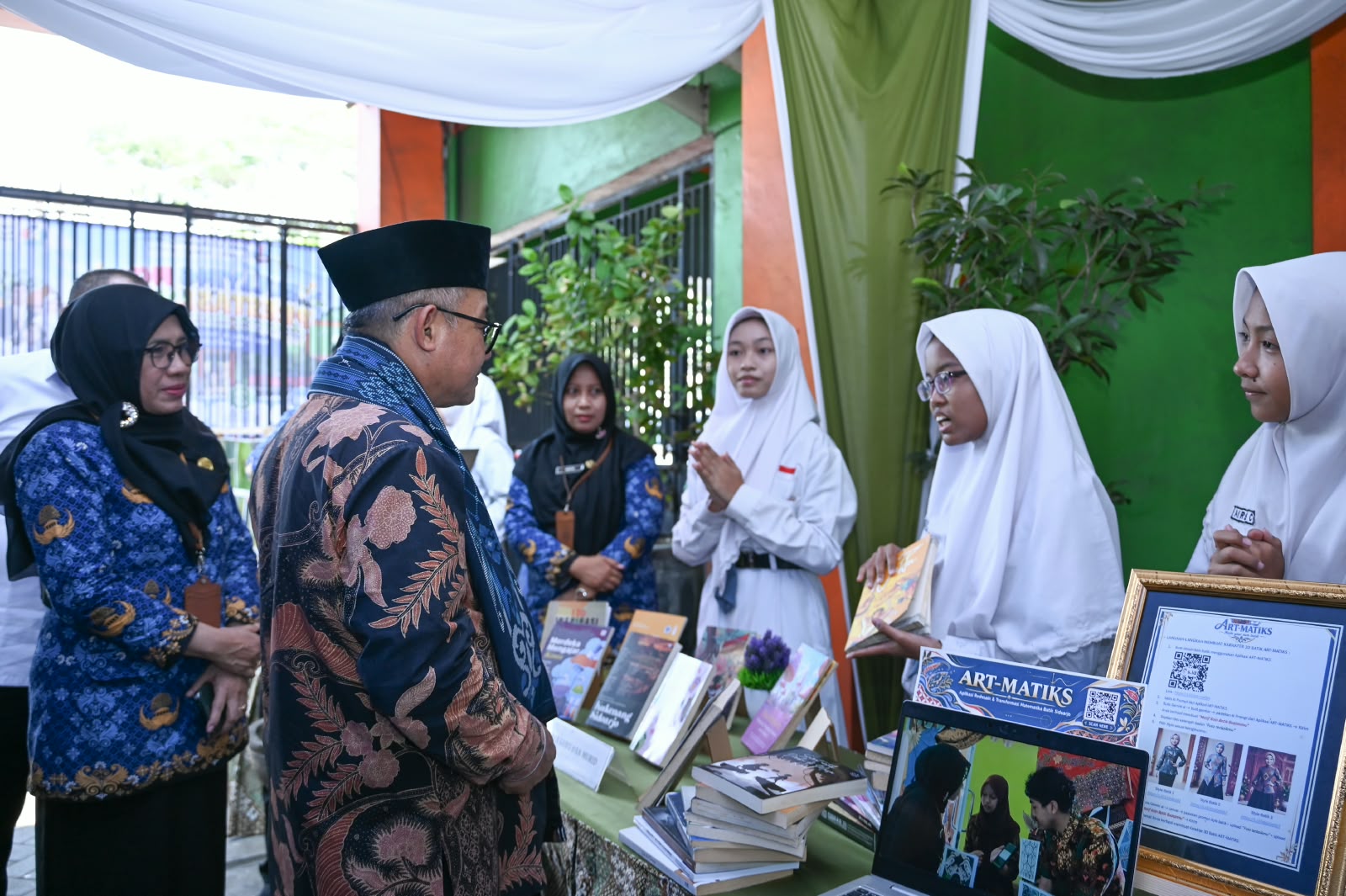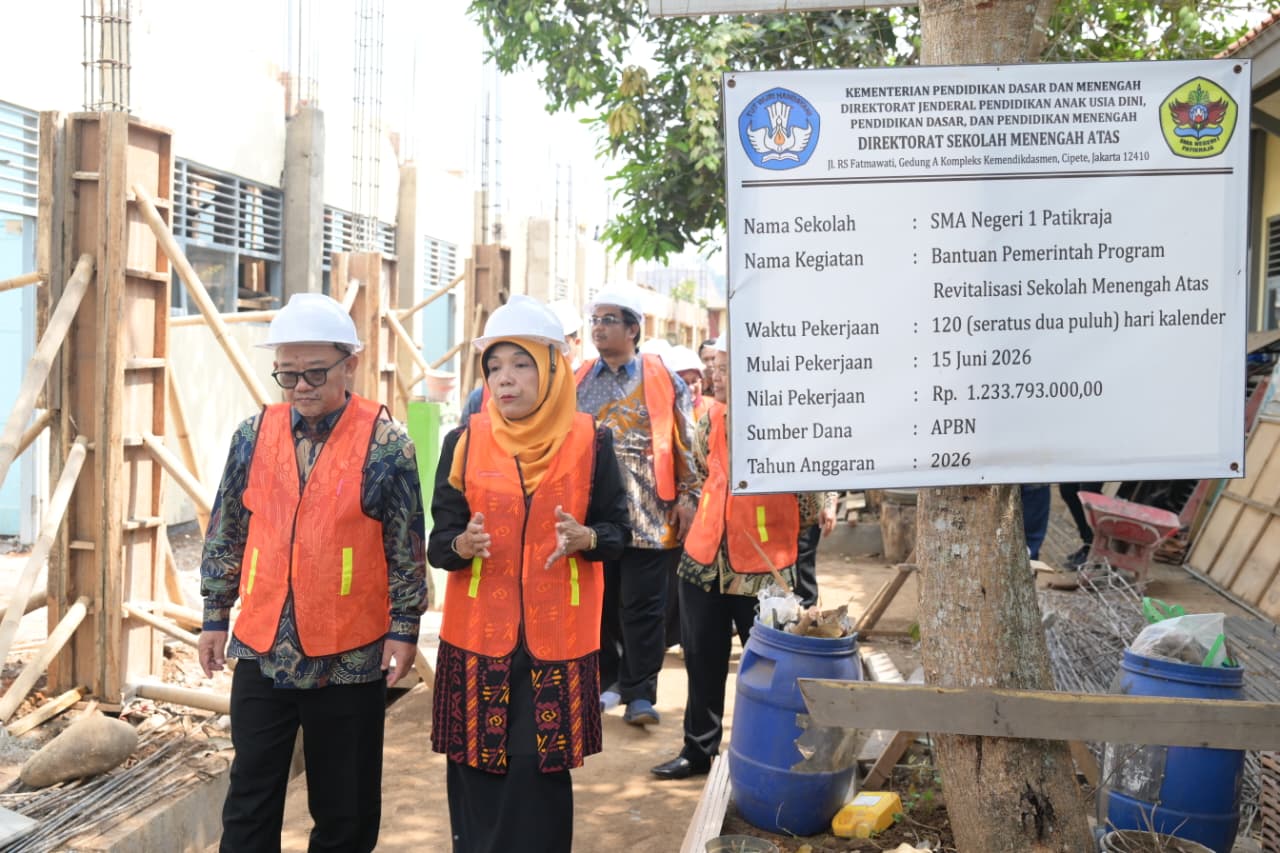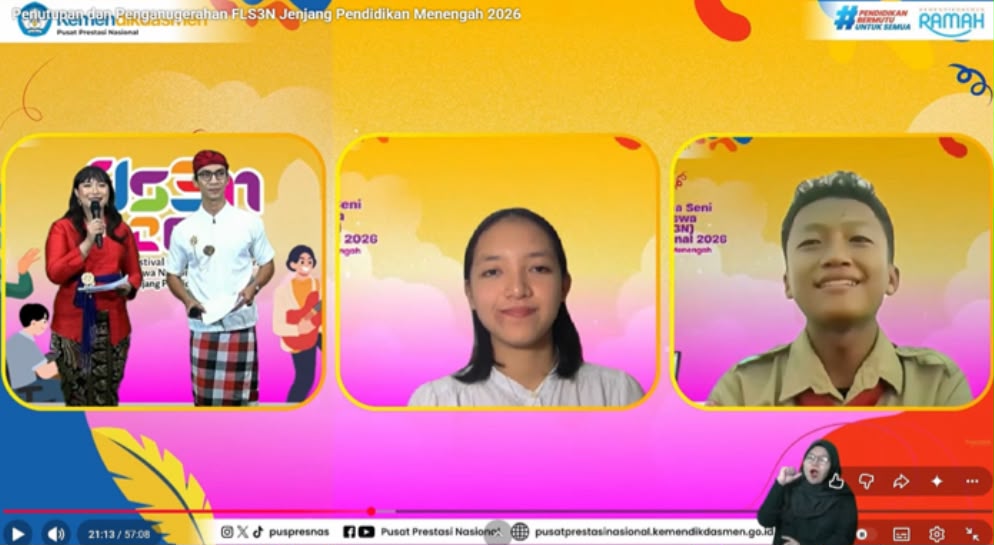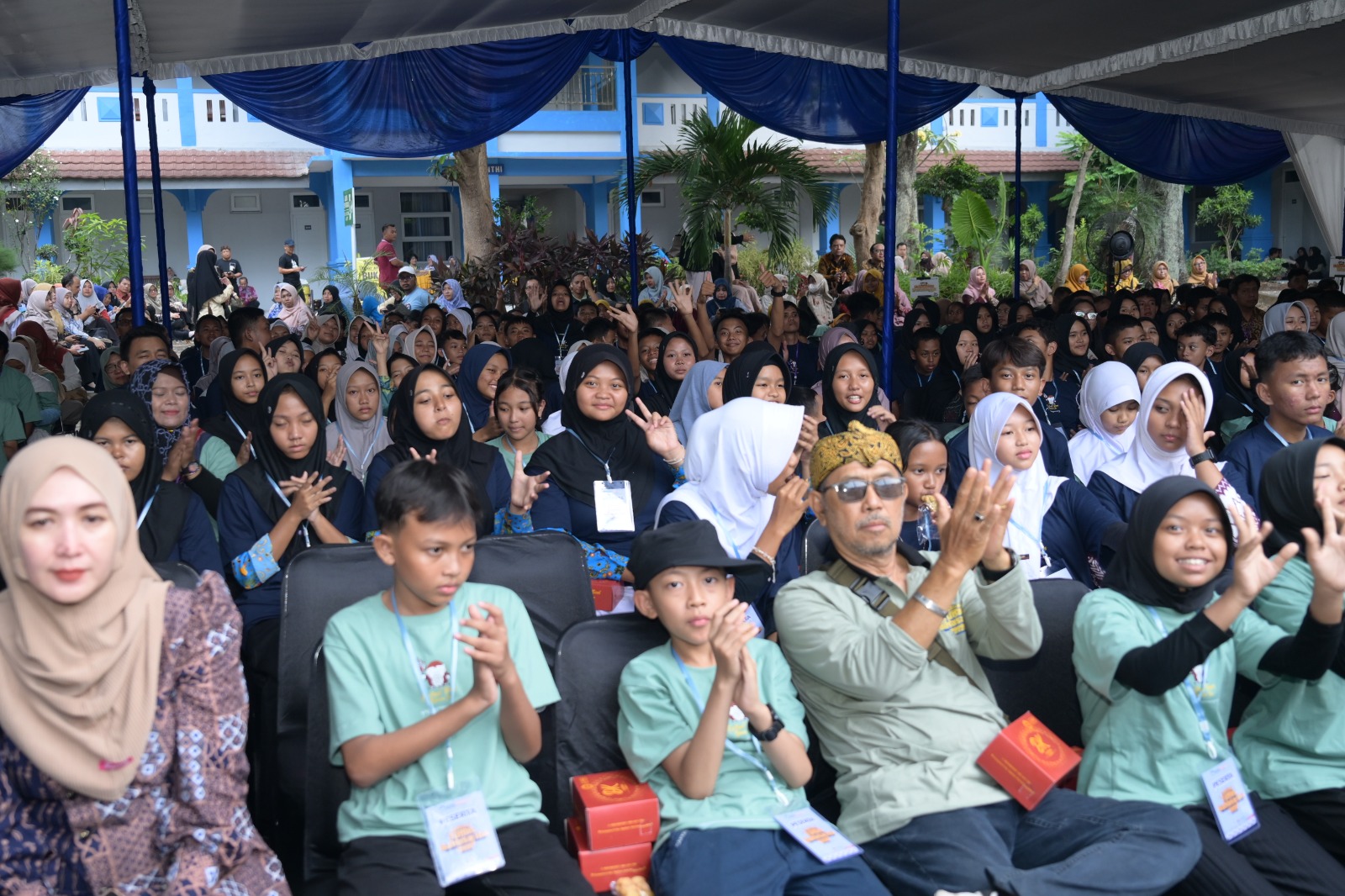


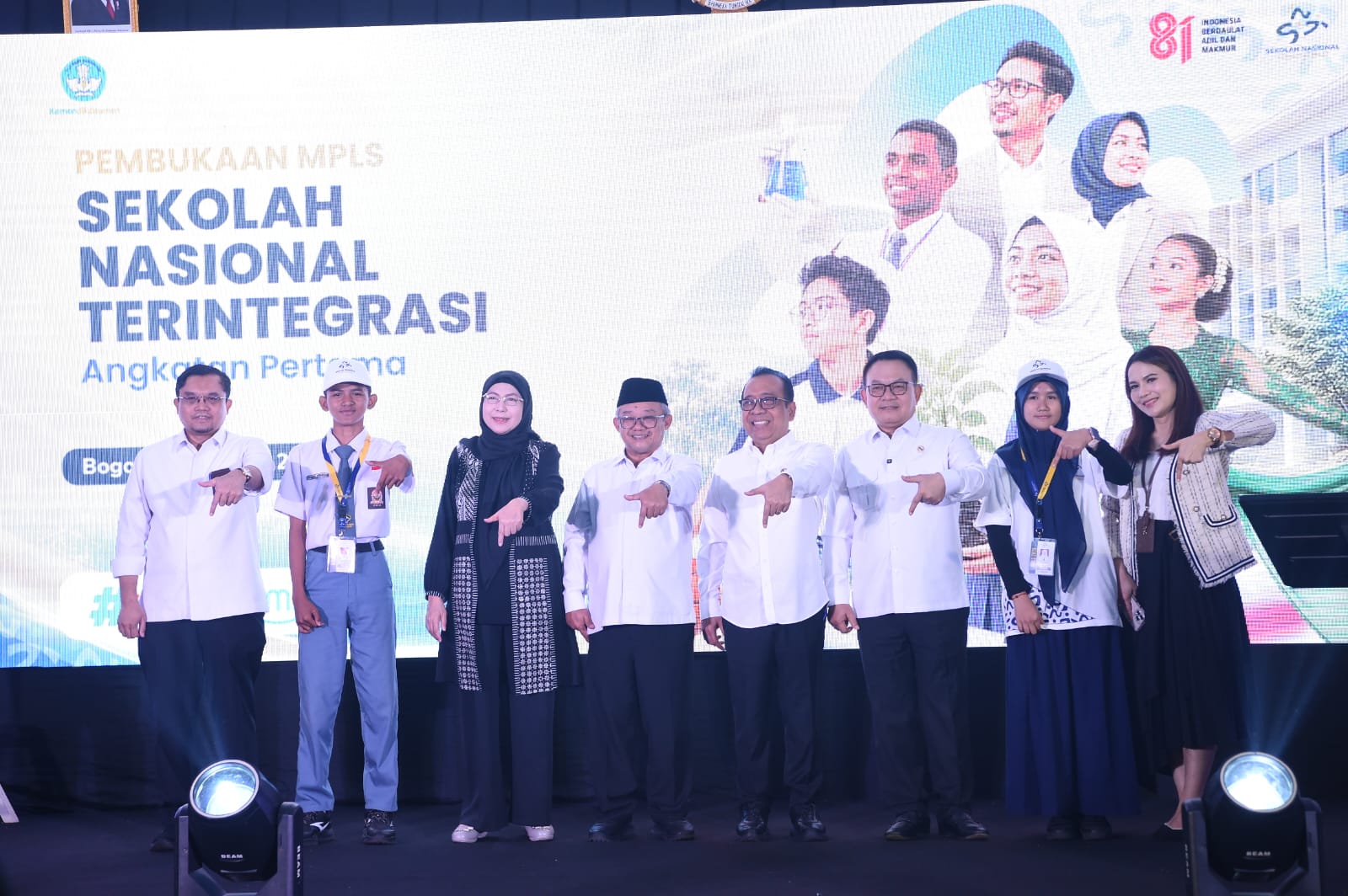
Bogor Regency, West Java, August 11, 2026 – Seventeen Integrated National Schools (SNT) will begin providing educational services in the 2026/2027 academic year. The presence of SNT marks a transformation in education governance through the integration of services across levels, utilization of facilities and infrastructure, and learning within a unified educational ecosystem.
Through this approach, SNT is directed to strengthen the continuity of educational services, optimize the use of school resources, and open up wider space for each student to obtain quality education and develop their potential.

Minister of Primary and Secondary Education (Mendikdasmen), Abdul Mu'ti, called the launch of SNT a significant milestone in the national education system. "This is a historic milestone in the national education system," he said at the opening of the 17th SNT School Environment Introduction Period (MPLS) in Bogor, West Java, on Monday (August 10th).

Coordinating Minister for Human Development and Culture (Menko PMK), Pratikno, explained that the National School of Education (SNT) brings about a transformation in governance through increasingly integrated management of educational services. This integration includes coordination between levels, continuity of learning, and shared use of educational facilities. "The essence is a transformation in governance. So, integrating institutions, from several schools to one school management," Pratikno said.
According to Pratikno, the integrated concept also allows for more optimal utilization of educational facilities. Sports fields, gyms, laboratories, and other educational facilities can be used to support shared learning needs. "The soccer field is shared between schools because it's integrated. Several schools are also using the sports hall (GOR), which was previously two schools, to become one, a single entity. The transformation of infrastructure, including laboratories and other facilities, makes this more efficient," he said.
Integration within SNT, Pratikno continued, goes beyond governance and infrastructure. The transformation also focuses on the learning process and the holistic development of students' potential.
Pratikno emphasized that student achievement isn't solely measured by academic achievement. Students also need ample space to develop and excel in the arts, sports, and other fields according to their individual talents and interests. "Achievement isn't just about academics; it's not just about getting a 10 in math, or a 10 in physics. Achievement encompasses many things, including academic and non-academic pursuits through the arts or sports," he said.
He encouraged SNT students to discover and develop their respective strengths, without neglecting their studies in other areas. "So, you should excel in your respective fields, but don't forget to learn others as well."

The Head of the Presidential Staff Office (KSP), Dudung Abdurachman, emphasized that the success of SNT is not only determined by infrastructure development, but also by the synergy between the central government, regional governments, and various parties involved in the implementation of education.
According to Dudung, this collaboration is crucial to ensure that the development and implementation of SNT truly provide equal opportunities for every child to receive a quality education. He also emphasized that SNT is a form of strategic government intervention to bring quality education services closer to the community, including those in various regions across Indonesia. "Integrated National Schools are not just about building physical infrastructure, but rather a strategic government intervention to bring quality education closer to the community, even to all corners of the country," he said.

Himmatul Aliyah, Deputy Chair of Commission X of the Indonesian House of Representatives, also expressed support for the implementation of SNT. According to him, the first batch of SNT holds a crucial position because it is part of the initial journey of implementing integrated schools nationally. He hopes that the principals, teachers, education staff, and especially the first batch of students can serve as role models and pave the way for the future development of SNT. "We hope this first batch of SNT can be a good example for subsequent batches," Himmatul said.
Himmatul also expressed his appreciation to the Minister of Primary and Secondary Education Abdul Mu'ti and the ranks of the Ministry of Primary and Secondary Education for their work in supporting the implementation of the national integrated school program launched by President Prabowo Subianto.

Through the integration of educational services, optimal utilization of facilities and infrastructure, learning transformation, and collaboration between the central and regional governments, SNT is expected to become a model for increasingly integrated and student-centered education delivery. Beyond providing educational facilities, SNT's presence is expected to build an educational ecosystem that provides space for every student to learn, grow, excel, and develop their full potential through quality educational services.*** (Author: Ririn/Photographer: Destian)
Bureau of Communication and Public Relations
Secretariat General
Ministry of Primary and Secondary Education
Website: kemendikdasmen.go.id
X: x.com/Kemdikdasmen
Instagram: instagram.com/kemendikdasmen
Facebook: facebook.com/kemendikdasmen
YouTube: Ministry of Education and Culture
Questions and Complaints: ult.kemendikdasmen.go.id
Press Release from the Ministry of Primary and Secondary Education: kemendikdasmen.go.id/pencarian/siaran-pers
#QualityEducationforAll
#MinistryOfEducationAndEducationFriendly