

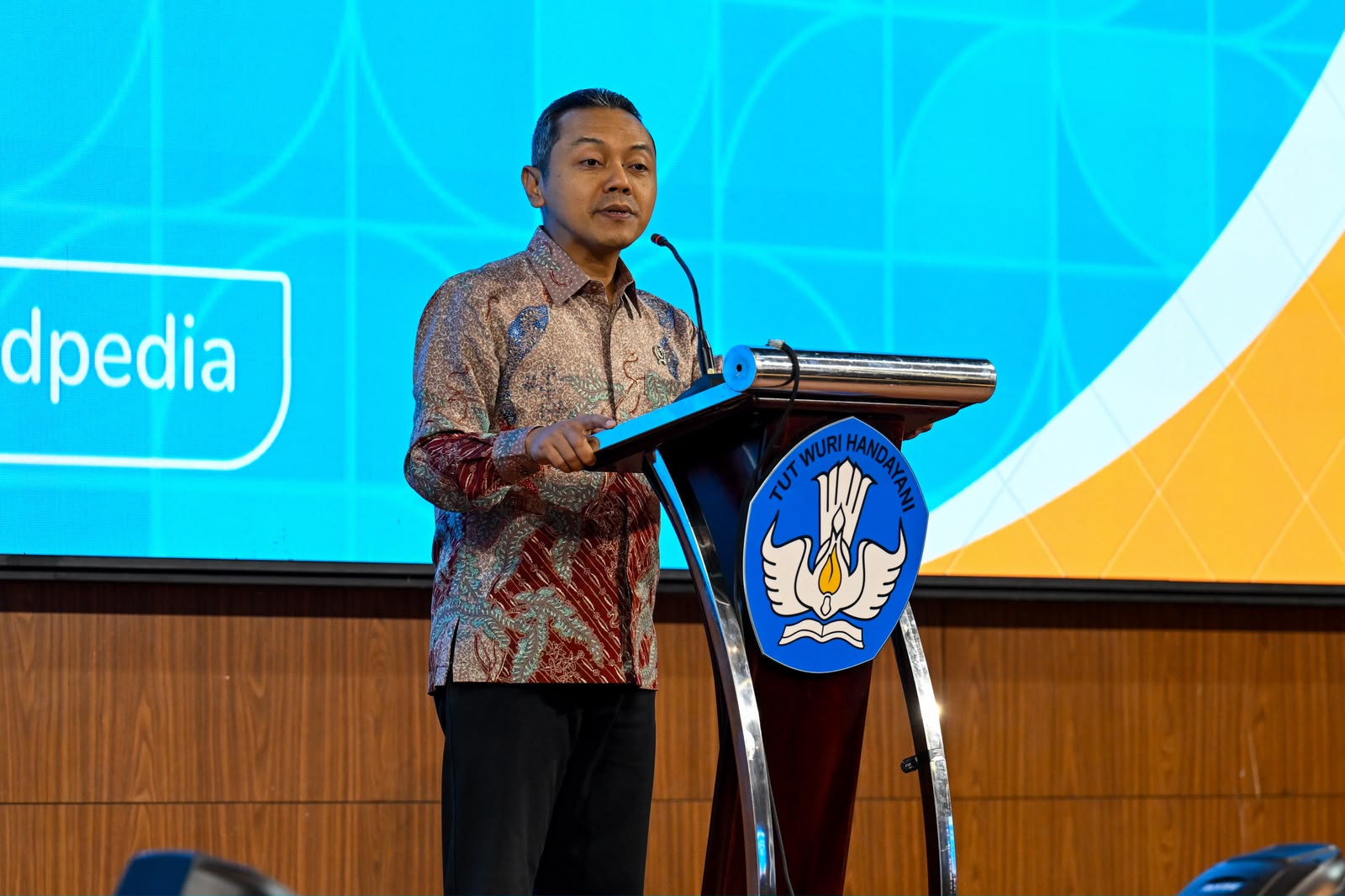
Batam, Riau Islands, August 12, 2026 – The Ministry of Primary and Secondary Education (Kemendikdasmen) emphasized the importance of early childhood education (PAUD) as the foundation of the national education system. This was conveyed by Deputy Minister of Primary and Secondary Education (Wamendikdasmen) Fajar Riza Ul Haq at the closing of the Finalization of Planning Documents and Signing of the Cooperation Agreement (PKS) for the 62nd PAUD Revitalization Program in Batam City, Riau Islands Province, Tuesday (11/8).
Deputy Minister Fajar stated that revitalizing early childhood education (PAUD) is not only about building physical infrastructure, but also needs to support the development of children's "cognitive infrastructure." A good educational environment, he argued, needs to encourage the growth of children's motivation to learn and curiosity from an early age. "How can we develop the mindset and mentality of our children from an early age to become lifelong learners?" Deputy Minister Fajar said.

He explained that early childhood education plays a crucial role in developing children's intrinsic motivation to learn and a culture of asking questions. This is part of the effort to shape children into lifelong learners. "First, build a desire to learn. Intrinsic motivation to learn must develop in our children. Second, build a culture of asking questions. That stems from curiosity ," he said.
In this context, Deputy Minister Fajar emphasized the role of Early Childhood Education (PAUD) within the national education system. He stated that the government wants to position PAUD as an integrated part of the national education ecosystem and serve as a foundation for the system. "Essentially, we want to position PAUD as the foundation for the national education system. And it will eventually be integrated with the national education ecosystem," he emphasized.

Furthermore, Deputy Minister of Primary and Secondary Education Fajar emphasized that the planning readiness must be followed by a safe, smooth, and trustworthy revitalization implementation that meets quality standards. He also requested that local governments, particularly education agencies, assist and oversee the educational units receiving assistance. "The hope, and of course, the goal, is that the revitalization process will be truly safe, smooth, trustworthy, and the building quality will meet standard standards," he said.
According to him, the quality of educational facilities is crucial because early childhood education (PAUD) is an educational environment that contributes to a child's development. He stated that this development encompasses physical and motoric, cognitive, and social-emotional growth. "Early childhood education must first encourage physical and motoric growth. Second, cognitive growth. Third, social-emotional growth," he explained.
He also emphasized that educational institutions need to be a safe and comfortable environment for children to learn and develop their potential. "Schools or early childhood education centers are second homes for our children. A comfortable and safe environment allows children to fully commit to learning. Children have the full potential to actualize who they are and what their potential is," he said.

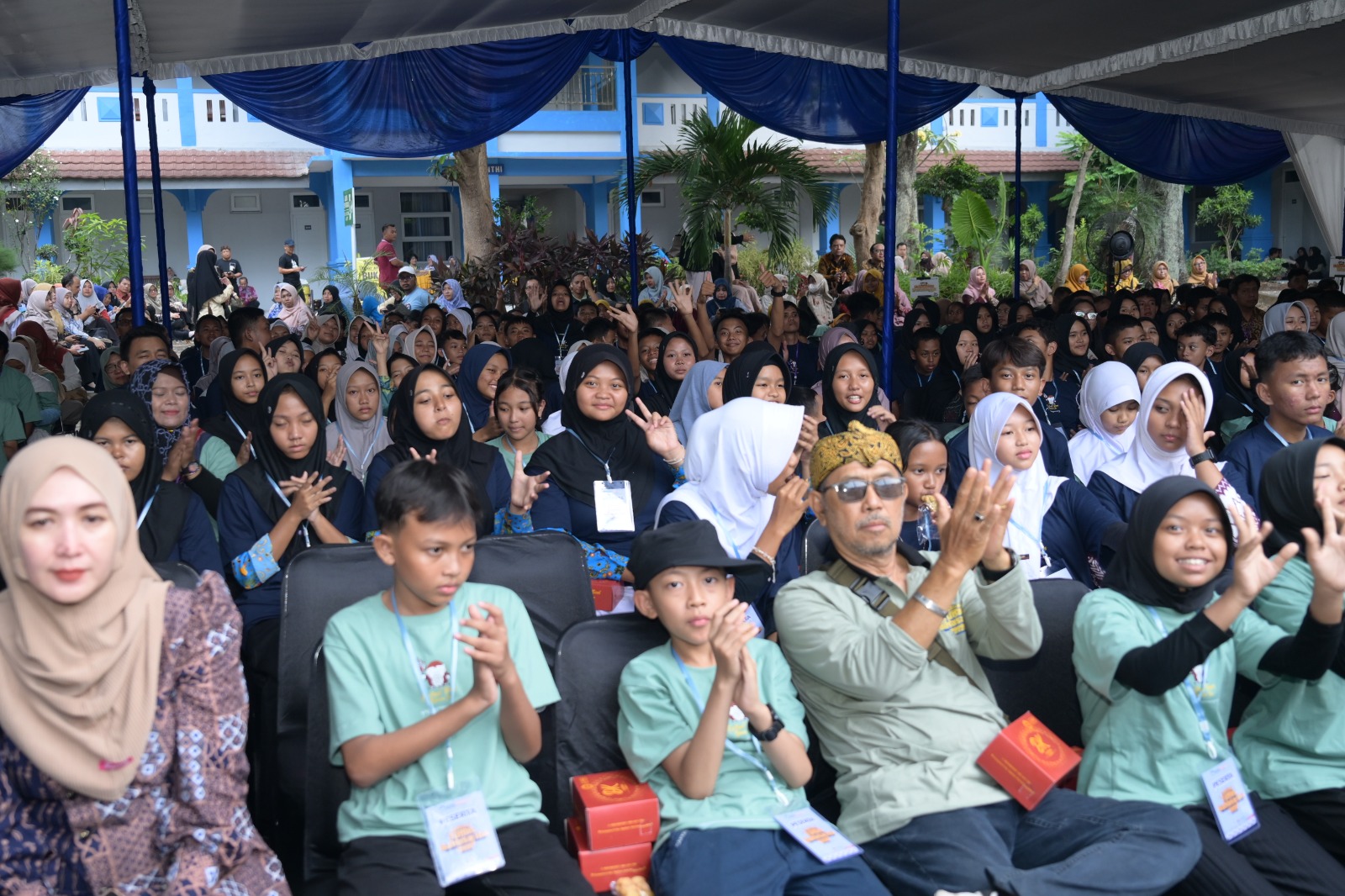
On the same occasion, Warsita, Head of the Riau Islands Education Quality Assurance Center (BPMP), reported that 259 heads of early childhood education (PAUD) units were invited to the event. Of those, 255 were present and all had completed their Budget and Implementation Plans (RAP), while four other units were unable to participate.
This activity follows the briefing and mentoring on program and budget planning. Participants received material on revitalization policies and planning, revitalization menus, goods and services purchasing mechanisms, the use of the Early Childhood Education Assistance Service Information System (SiLaB) application, document management, finance and taxation, and program monitoring and control.
Closing his remarks, Deputy Minister Fajar expressed his hope that participants would implement the revitalization program in accordance with regulations and ensure that the development outcomes benefit students. He also encouraged educational institutions to share good practices from the program's implementation. "Ladies and gentlemen, you are the most important people who will determine the future of Indonesia," Deputy Minister Fajar concluded.*** (Writer & Photographer: Rayhan/Editor: Destian)
Bureau of Communication and Public Relations
Secretariat General
Ministry of Primary and Secondary Education
Website: kemendikdasmen.go.id
X: x.com/Kemdikdasmen
Instagram: instagram.com/kemendikdasmen
Facebook: facebook.com/kemendikdasmen
YouTube: Ministry of Education and Culture
Questions and Complaints: ult.kemendikdasmen.go.id
Press Release from the Ministry of Primary and Secondary Education: kemendikdasmen.go.id/pencarian/siaran-pers
#QualityEducationforAll
#MinistryofEducationAndEducationFriendly