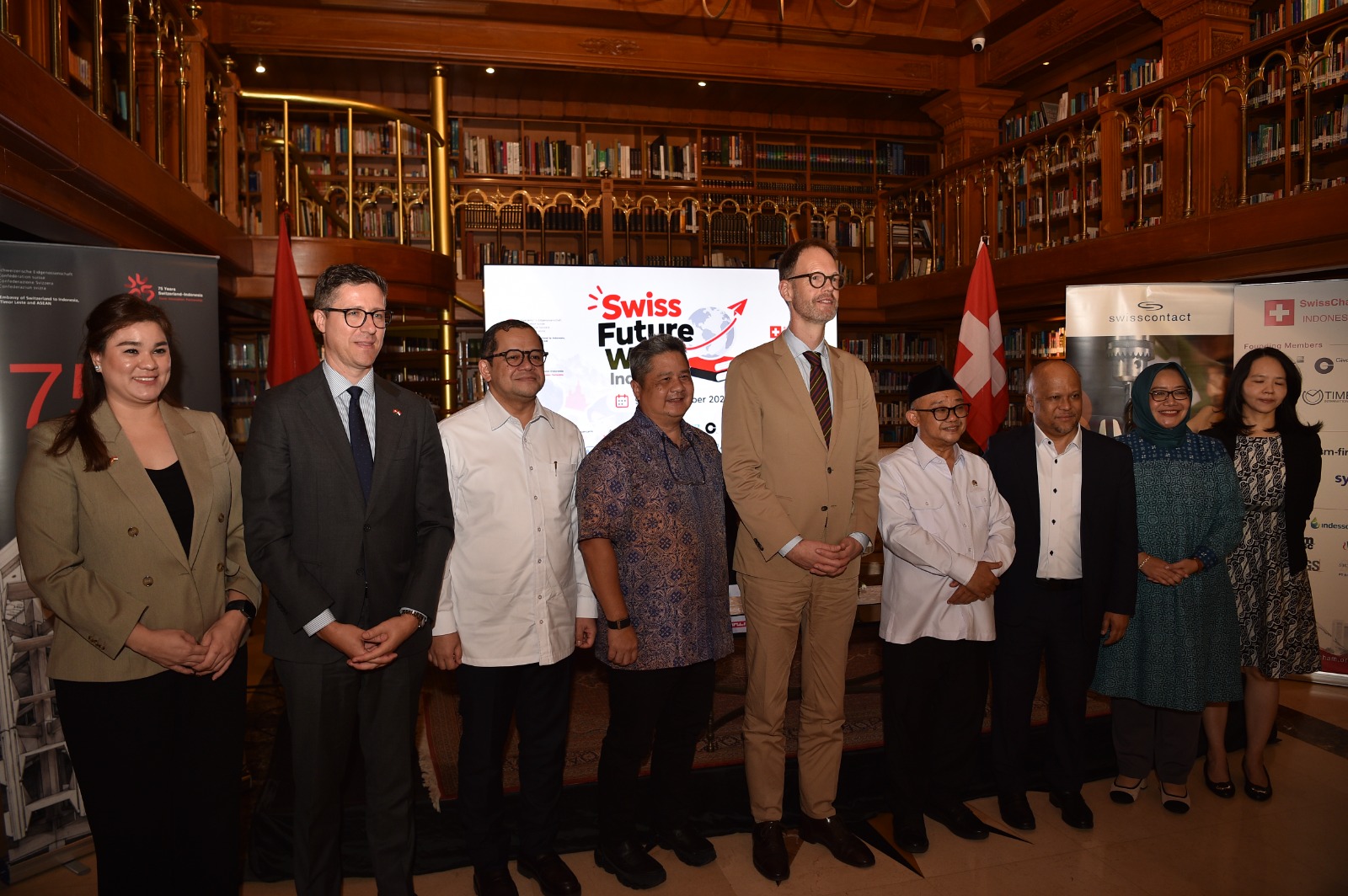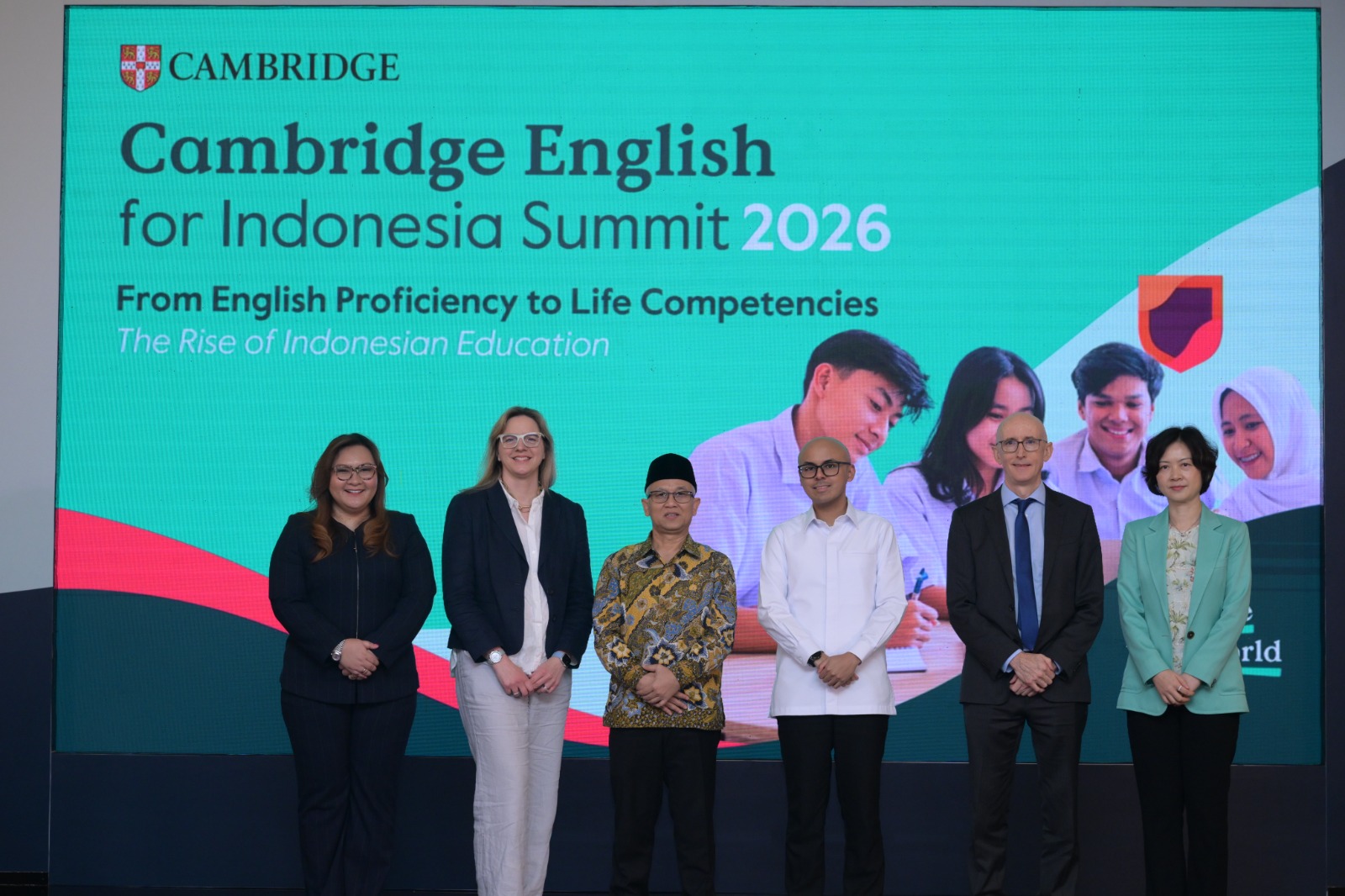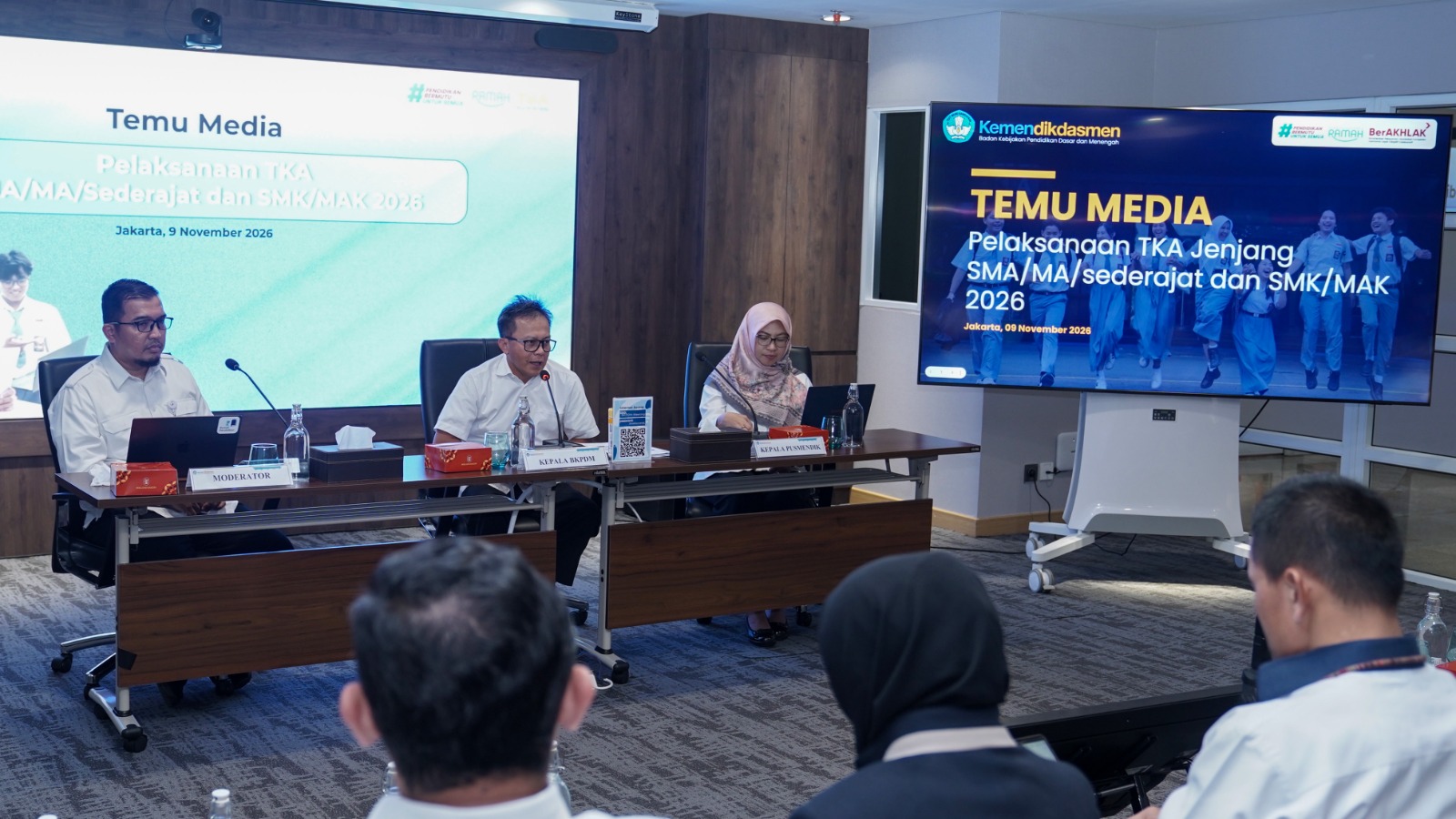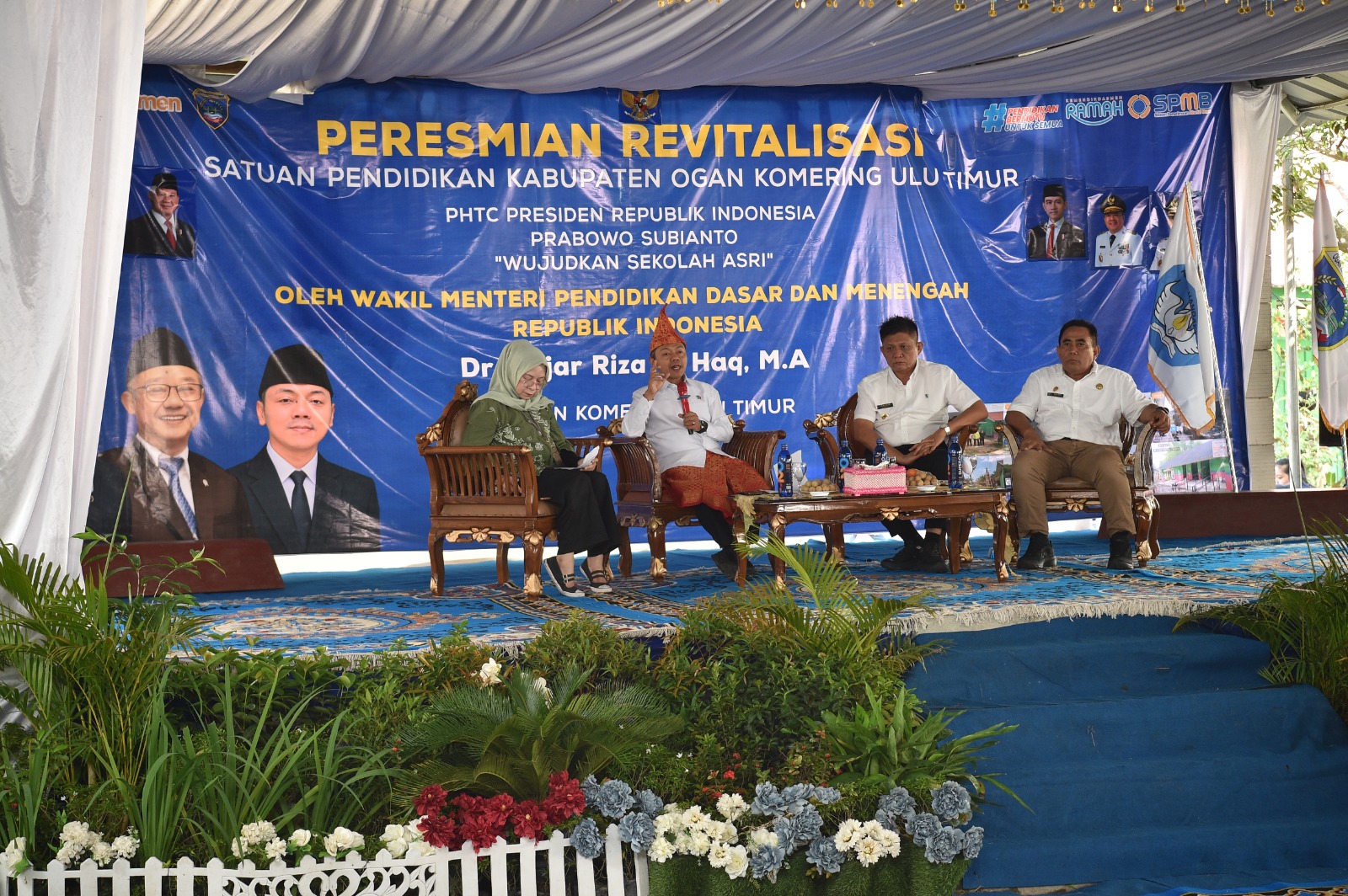



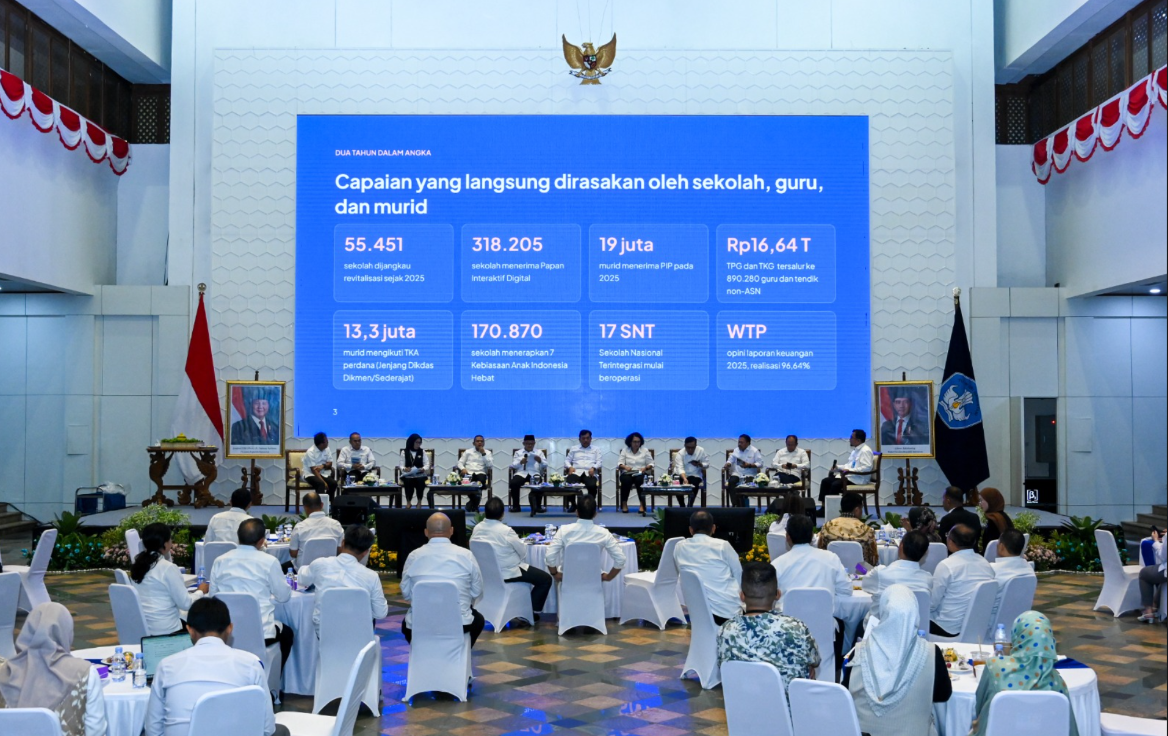
Jakarta, November 1, 2026 – The opportunity to obtain a quality education should not be determined by geography, limited facilities, or economic background. Therefore, during the two years of the administration of President Prabowo Subianto and Vice President Gibran Rakabuming Raka, the Ministry of Primary and Secondary Education (Kemendikdasmen) has strengthened the foundations of education through revitalizing educational units, digitizing learning, improving teacher quality and welfare, and strengthening character. These efforts are aimed at ensuring that every student, including those living in disadvantaged, frontier, and outermost (3T) areas and students with special needs, has better learning opportunities.
The Minister of Primary and Secondary Education (Mendikdasmen), Abdul Mu'ti, stated that President Prabowo has mandated the development of a quality generation of Indonesians through improvements to primary and secondary education. This mandate aligns with the fourth Asta Cita (Government Priority), namely developing superior human resources while strengthening the Pancasila ideology, culture, and language. One of the President's primary directives is to ensure that no students are forced to study in classrooms with collapsed roofs, inadequate sanitation facilities, or damaged school buildings.
"The President has repeatedly said that there should be no schools with collapsed roofs, no dirty toilets, no damaged classrooms, and so on," said Abdul Mu'ti in tvOne's One on One program, Friday (30/10).
Following up on this directive, the Ministry of Primary and Secondary Education has revitalized more than 55,000 educational units in the first two years. This number is projected to increase to nearly 80,000 educational units by the end of 2026. Revitalization is prioritized for schools with severe damage, schools in the 3T (frontier and remote) regions, and educational units affected by disasters. For children in disaster-affected areas of Sumatra, for example, the restoration of educational facilities has supported the continuity of learning. The Minister of Primary and Secondary Education stated that 98 percent of affected schools in the region have been rebuilt and all are already conducting normal learning, although some are still implementing a staggered learning schedule.
In addition to infrastructure improvements, the government is expanding the use of technology to make learning more interactive and reach more students. Throughout 2025, more than 288,865 digital interactive boards, or Interactive Flat Panels (IFPs), were delivered to educational institutions across Indonesia. By 2026, the government targets the distribution of more than 700,000 additional devices, bringing the total to over one million devices within two years. Minister Mu'ti emphasized that technology is not an end in itself, but rather a means to improve the quality of learning. "The digitalization program has four packages. First, of course, is the devices; second, laptops; third, teacher training; and fourth, supporting facilities such as internet access, electricity, and learning materials," she explained.
The benefits of digitalization are also evident in the learning opportunities available to students with special needs. Abdul Mu'ti's observations at several schools show that the audio feature on the IFP (Information and Communication Interface) can help blind students follow lessons, while teachers at a special needs school in Kudus have developed artificial intelligence (AI)-assisted materials for deaf students. The device can also be used as a virtual laboratory to help students understand science concepts through simulations. To address infrastructure limitations, the Ministry of Primary and Secondary Education is collaborating with PLN (State Electricity Company) to provide electricity access and solar panels for schools without electricity. The IFP also features material storage, allowing it to continue to be used even if the school lacks internet access.
On the other hand, improving the quality of education cannot be separated from the role of teachers as companions for student growth and development. The Ministry of Primary and Secondary Education implements a policy of improving teacher quality through the 3K approach: qualifications, competency, and welfare. For more than 200,000 teachers who do not yet have a D4 or S1 qualification, the government provides the opportunity to continue their education through Prior Learning Recognition (RPL), with scholarship assistance of IDR 3 million per semester per teacher. Competency improvement is carried out through in-depth learning training, counseling, coding and artificial intelligence, STEM (Science, Technology, Engineering, and Mathematics), and English. Meanwhile, the certification allowance for non-ASN teachers increased from IDR 1.5 million to IDR 2 million per month, while the incentive for uncertified teachers increased from IDR 300,000 to IDR 400,000 per month.
Strengthening the quality of education is also carried out by considering the learning needs of each student. The Ministry of Elementary and Secondary Education encourages the role of homeroom teachers so that support encompasses not only academic development but also psychological issues, learning difficulties, and family circumstances that can impact the educational process. Through the Academic Ability Test (TKA), the government strives to provide a more standardized evaluation instrument to help teachers, parents, and students identify learning achievements and aspects that still need improvement. This approach is part of an effort to address the challenge of disparities in education quality between regions and educational units.
Going forward, the Ministry of Primary and Secondary Education will accelerate the completion of school revitalization, expand digital learning, and improve teacher capacity through training and partnerships with various parties, including Innovation Australia and McGill University, Canada. All of these efforts are being carried out with a spirit of universal participation so that improving the quality of education is not only the responsibility of the government, but also involves the community and various stakeholders. The Minister of Primary and Secondary Education emphasized that the success of educational transformation ultimately depends on the commitment of the entire education ecosystem to continuous learning and self-improvement. "Students should be lifelong learners. Teachers should also be educators and lifelong learners," he advised. ***(Author: Rany/Editors: Destya, Seno).
Bureau of Communication and Public Relations
Secretariat General
Ministry of Primary and Secondary Education
Website: kemendikdasmen.go.id
X: x.com/Kemdikdasmen
Instagram: instagram.com/kemendikdasmen
Facebook: facebook.com/kemendikdasmen
YouTube: Ministry of Education and Culture
Questions and Complaints: ult.kemendikdasmen.go.id
Press Release from the Ministry of Primary and Secondary Education: kemendikdasmen.go.id/pencarian/siaran-pers
#QualityEducationforAll
#MinistryOfEducationAndEducationFriendly
#2YearsOfRealMotion
#2YearsOfQualityEducation